- Published on

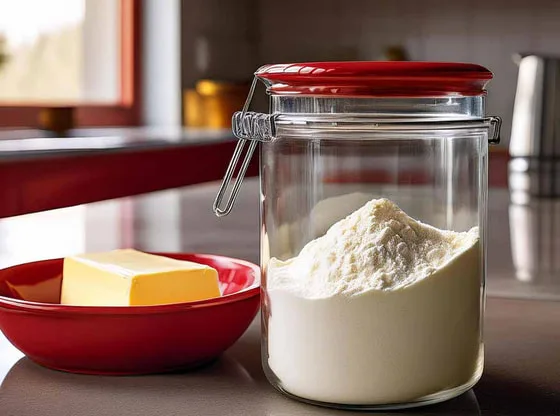
Don't have that ingredient? Just substitute!
Here are some common ones:
Here are some common ones:
- 1 cup buttermilk = 2 tablespoons lemon juice or vinegar + 1 cup milk
- 1 cup honey = 1/3 cup water + 1 cup sugar
- 1 cup corn syrup = 1 cup sugar + 3/4 cup water
- 1 cup sour cream = 1 cup plain Green yogurt
- 1 cup heavy cream = 1/3 cup melted butter + 3/4 cup milk (Don't try to whip this!)
- 1 cup butter = 1 cup applesauce (I learned this trick from a dietician! It works in baked goods.)
- 1 teaspoon vanilla = 1 teaspoon maple syrup
- 1 egg = 1/2 banana or 1/4 cup apple sauce
- 1 cup cake flour = 1 cup regular flour minus 2 tablespoons + 2 tablespoons cornstarch (whisk)
- 1 cup self-rising flour = 2 cups all-purpose flour + 2 teaspoons baking powder & 1/2 teaspoon salt (whisk)

- Published on
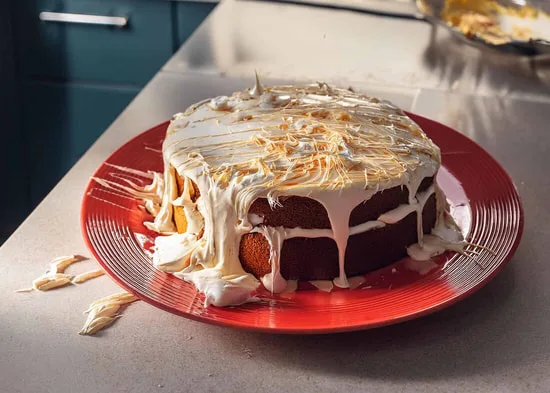
I have been baking since I was old enough to hold a spoon. Mama somehow did not trust me with helping out with other dishes. However, helping to bake cakes, pies, and especially, cookies, was on my agenda at a young age. I say, especially cookies, because although she loved all things sweet, she was not that fond of cookies.
However, there were a couple of store bought ones that my parents loved. Daddy loved Nabisco Fig Newtons and Mama loved Nabisco Pinwheels, the Grand Queen of all store cookies. Pinwheels consisted of a wafer with jam on top, then a thick layer of marshmallow, topped off with the whole thing covered in chocolate. She claimed it to be her downfall. Nabisco still makes both. All cookies are my downfall; I never met a cookie without eating it!
My cake baking tips are cloaked with all sorts of humorous memories. If you just want the facts, then jump to the bottom and there is a SHORT LIST.
My cake baking tips are cloaked with all sorts of humorous memories. If you just want the facts, then jump to the bottom and there is a SHORT LIST.
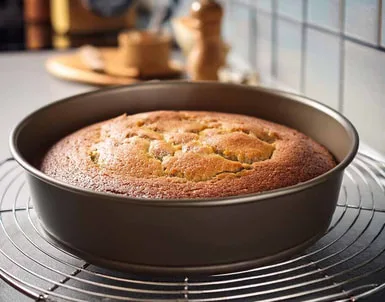
Problem-solving tips for baking cakes: Keep your cake smooth, not cracked on top. Put your cake on a middle rack in the oven. That keeps it from forming a crusty top too quickly.
- Make sure your cake is done! For most cakes, insert a cake tester (a utensil that will immediately disappear after you use it), a wooden skewer, a knife, or a toothpick and see if it comes out clean. If it does, it is done. My Grannie Annie used to yank a straw from her broom and use it! If it comes out clean, the cake is done. If it has batter clinging to it, leave the cake to cook a bit more. Watch it carefully, baking too long will make your cake dry. (This is NOT the way to test cheesecakes!)
- Do not be tempted to open that oven door and check on your cake too soon. Do that and your cake will sink like the Titanic.
- Keep it moist - use the correct amount of baking powder. Too much and your dessert will be a desert. A pinch or a dab usually will not work when baking.
- Fluffy is desirable for cakes, towels, cat, and blankets. Bringing all ingredients to room temperature makes for a fluffier cake!
- I have been known to bake on a whim, not carefully planning out my ingredients ahead of time. If there is no CAKE FLOUR at your house, here is a substitute: Take 1 cups of regular or all purpose flour. Remove 2 tablespoons of the flour and replace with 2 tablespoons of cornstarch.
Sift two or three times and use in place of cake flour. - Mother, the patron saint of patience, would curse when trying to remove cakes from their pans. Mama only had one curse word in her vernacular: Sh@t. She claimed it was acceptable to say it, because her mother used it only when sewing. Mama used it while sewing, but expanded it to baking, as well. You have to understand that she thought fart and poot were bad words! Needless to say, once old enough, I made it my life mission to learn every curse word I could. Really, I only had to sneak in the room when someone from the shipyard called Daddy with a problem. Believe me, Daddy knew more than one curse word! Lining or greasing your cake pans means less sticking. Mama always did both! She greased the pans with butter, then put a layer of waxed paper on top of that. Be advised, you will have to peel the waxed paper off the bottom of the cake. Nope, not for me. You can use parchment (baking) paper.
- Want a cake that has risen well? Preheating your oven will do the trick!
- After filling your cake pans with batter, gently tap them on the counter to release air bubbles. This eliminates those spongy holes in your cakes.
- Do not try to put frosting, icing, or even glazes on a hot cake! Do not even remove that cake from the pan while hot; let it cool on a rack. That is, unless you can't wait and will be satisfied with eating it straight from the pan! Shhh; I never did that! Some people even freeze their cakes a bit before frosting them. Surely, they don't have family members whining to eat cake NOW?
- Once your batter is all mixed, put it straight away into your cake pans. If it sits in the mixing bowl for awhile, this may cause it to not rise enough. You are not baking bread...
- If your cake recipe begins with the words, "Beat the sugar and softened butter together", then do it and do it well. Thoroughly mixing these helps create a smoother cake texture.
- Problems with sink-holes? If your cake sinks in the middle, then your oven temperature may not have been consistent or high enough. Did you peek too many times? You could have cooled off the oven just enough to cause a sink hole!
- Here is a trick to prevent crumbs all in the icing! Do a crumb-coating. With a rubber spatula, put a thin layer of icing all around the areas of the cake. Let it cool in the fridge for 15 minutes, then bring it out and finish icing it. The crumbs will stick to the first coating and will not appear in the final product. I feel like this is an art. If you are a normal person, you may need to practice this a bit.
- Make sure your cake is done! Insert a cake tester, a wooden skewer, a knife, or a toothpick. If it comes out clean, the cake is done. If it has batter clinging to it, leave the cake to cook a bit more. Watch it carefully, baking too long will make your cake dry. (This is NOT the way to test cheesecakes!)
- Do not be tempted to open that oven door and check on your cake too soon. Do that and your cake will sink like the Titanic.
- Keep it moist; use the correct amount of baking powder. Too much and your dessert will be a desert.
- Bringing all ingredients to room temperature makes for a fluffier cake!
- If there is no CAKE FLOUR at your house, here is a substitute: Take 1 cup of regular or all purpose flour. Remove 2 tablespoons of the flour and replace with 2 tablespoons of cornstarch.
Sift two or three times and use in place of cake flour. By this time, you probably will have discovered that you have no cornstarch either and will just get in the car and drive to the store. - Lining or greasing your cake pans means less sticking. You can use parchment (baking) paper or waxed paper.
- Preheating your oven helps your cake to rise properly.
- After filling your cake pans with batter, gently tap them on the counter to release air bubbles. This eliminates those spongy holes in your cakes.
- Don't try to ice or frost a warm cake. Do not even remove that cake from the pan while hot; let it cool on a rack.
- Once your batter is all mixed, put it straight away into your cake pans. If it sits in the mixing bowl for awhile, it may not rise enough.
- Beat the sugar and softened butter together well, if called for in a recipe. Thoroughly mixing these helps create a smoother cake texture.
- If your cake sinks in the middle, then your oven temperature was not consistent or high enough. Do not open that oven door too much.
- Do a crumb-coating, putting a think layer of icing on the cake first. Cool it in the refrigerator for about 15 minutes, then finish icing it. Crumbs will stick to the first coating and will not appear in the final product.
- Published on
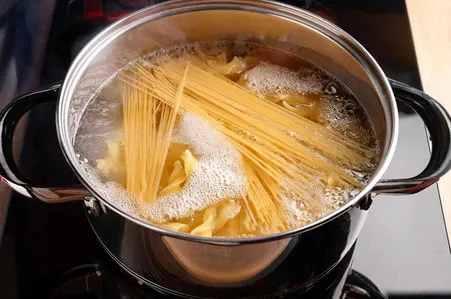
You know that starchy, cloudy water you pour from the cooked pasta? Don't pour it out - it is SO useful. Drain some of your pasta water into a saucepan. Reserve and add a little at a time to your sauce to make it smoother!
- Published on
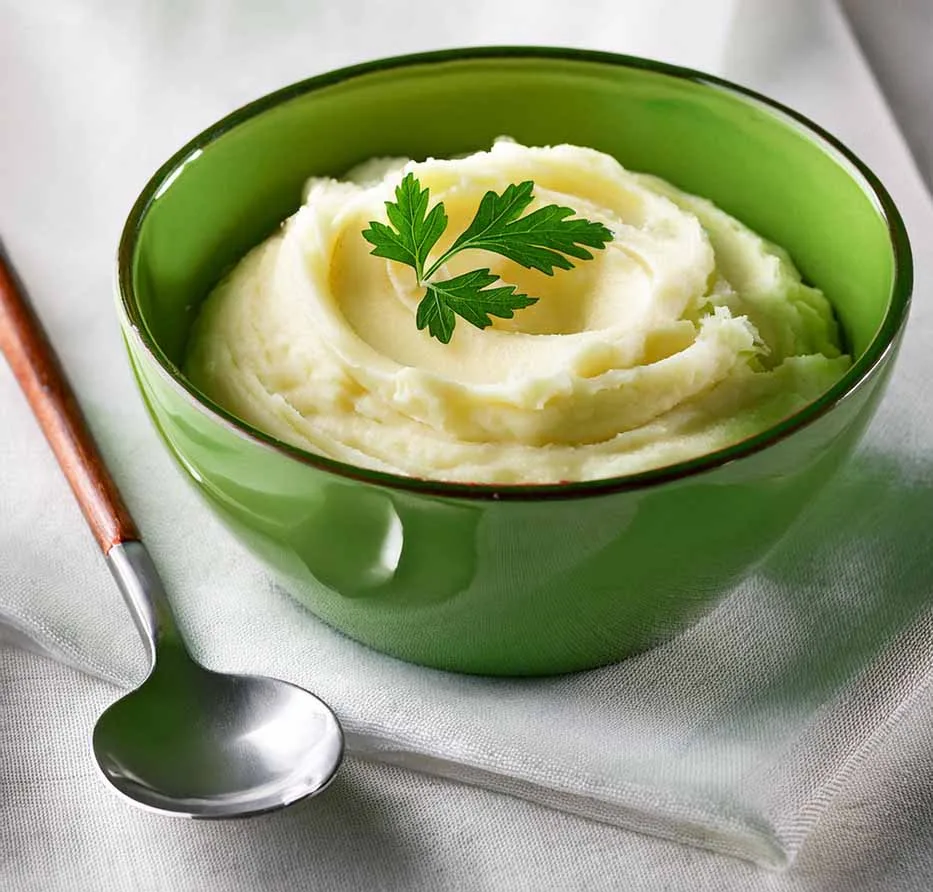
First , start with cold water and add salt. If you add your potatoes to hot water, they will not cook evenly. Drain them VERY well - water will make them mushy! Dump them back into the cooking pot to mash them - it keeps them warm!
Do you like to add cream, milk, or butter? Warm the additions BEFORE adding so the potatoes absorb the flavorings and don't cool off too soon.
Do you like to add cream, milk, or butter? Warm the additions BEFORE adding so the potatoes absorb the flavorings and don't cool off too soon.
For goodness sakes, don't mash them with a blender, food processor, or mixer. Just use a plain ole' potato masher by hand. The more you work with the potatoes, the more mushy and starchy they become.
Make mashed potatoes at the last minute. Potatoes don't like to wait for anyone - they give up their tastiness! If you must make them ahead of time, stick them in a crock pot on warm and fluff them before serving.
Make mashed potatoes at the last minute. Potatoes don't like to wait for anyone - they give up their tastiness! If you must make them ahead of time, stick them in a crock pot on warm and fluff them before serving.
- Published on
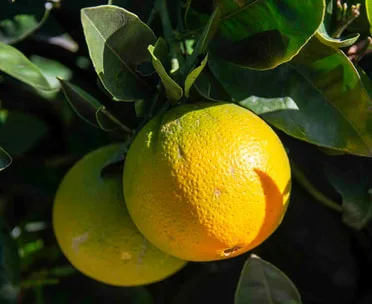
Lemons are my secret weapon in cooking. A bit of lemon zest or juice will perk up anything from a cold pasta salad to a glass of sparkling water and all things in between. I add lemon zest and juice to chicken soup, mashed potatoes, baked chicken, sauces, etc. Just try it in your favorite recipes to give them some "sass!"
And here's another tip: A few drops of lemon juice added to a pot of simmering rice keeps the grains from sticking together.
And here's another tip: A few drops of lemon juice added to a pot of simmering rice keeps the grains from sticking together.
- Published on
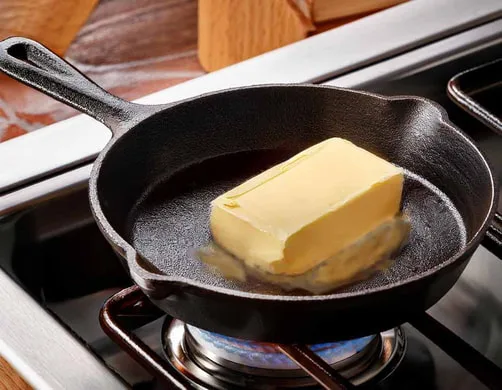
Have you ever placed that butter in the pan, turned away for just a few seconds? Wham! It's burned, tastes nasty, and smells worse. I love cooking with butter, but avoided it for years because I always seemed to burn it. Here's the trick: just replace about 1/3 of your required butter with olive oil. The mixture of the oil with the butter keeps it from burning so quickly. Hooray!
- Published on

You say "iced tea" - I say "ice tea"... I'm from the deep South and we say ice tea!
Here's the best way to make said tea:
Here's the best way to make said tea:
- Put 4 or 5 tea bags or tablespoons of loose tea in a quart jar (I prefer glass.) of room temperature water.
- Place in the refrigerator overnight.
- Remove tea bags or leaves and it's ready!
- Published on
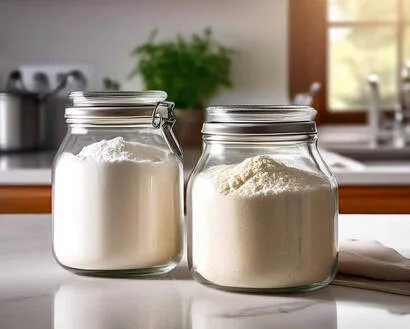
- Take 1 cups of regular or all purpose flour.
- Remove 2 tablespoons of the flour and replace with 2 tablespoons of cornstarch.
- Sift 2 or 3 times and use in place of cake flour.
- Published on
- Put eggs in a single layer in a pot of cold water, just covering the eggs.
- Turn burner to high and bring water to a rapid boil.
- Boil for 1 minute, then immediately turn off burner and remove pot from heat.
- Leave eggs in hot water for about 12 to 14 minutes. No more!
- Pour off the hot water in the pot and replace it with cool or cold water. Let the eggs cool completely before peeling.
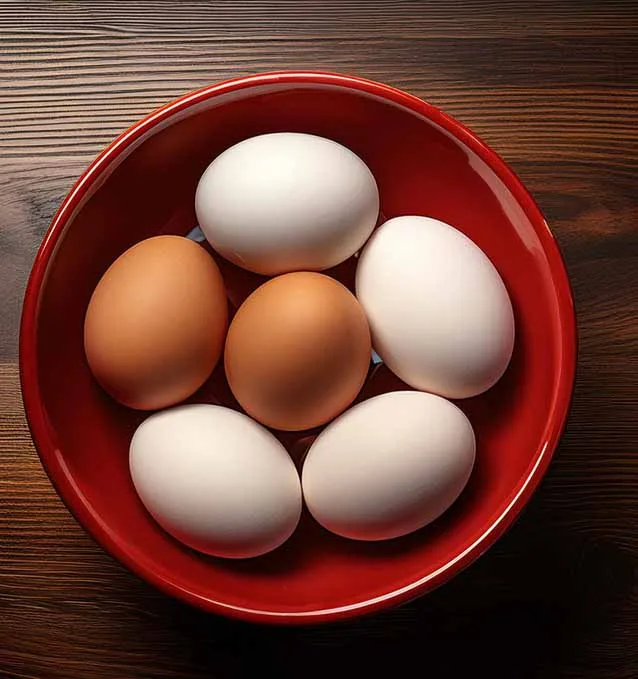
Additional tips:
- If you're one of those cooks who puts the eggs straight into the boiling water, you can prevent cracking by wetting the shells before you put the eggs in the water.
- Test for hard boiled eggs: if they spin on the counter, they are done. If they fall over, they're still a little raw.
- Psst...I really don't like boiled eggs, unless they are in potato salad!